

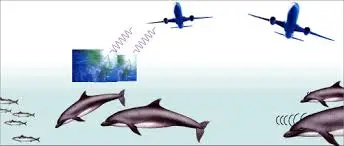
The world’s oceans are vast, complex, and still largely unexplored. Scientists, conservationists, dolphin radar maritime organizations constantly seek better ways to understand underwater environments and protect marine ecosystems. Modern monitoring technologies have made this task easier by providing accurate data about ocean conditions, marine species, and underwater activity.
One innovation gaining attention is dolphin radar, a technology associated with advanced marine monitoring and detection systems. As the demand for accurate ocean data continues to grow, these solutions are helping researchers and industry professionals improve safety, conservation efforts, and scientific understanding.
This article explores how this technology works, its major applications, benefits, challenges, and future potential in the rapidly evolving marine sector.
Understanding Modern Marine Monitoring Technology
Marine monitoring systems are designed to collect information from underwater environments. These technologies combine sensors, sonar equipment, data-processing tools, and advanced software to track movement and analyze conditions beneath the ocean’s surface.
Unlike traditional monitoring methods, modern systems can operate continuously and provide real-time insights. This capability is especially valuable in environments where visibility is limited or where large areas must be monitored efficiently.
Key Components of Marine Detection Systems
Most advanced solutions include:
- Underwater sensors
- Signal processing software
- Data analytics platforms
- Real-time communication tools
- Automated monitoring features
Together, these components help organizations make informed decisions regarding marine operations and environmental protection.
What Is Dolphin Radar?
Dolphin radar refers to a specialized approach to monitoring underwater activity and marine environments. The technology is often associated with systems capable of detecting movement, tracking marine life, and collecting environmental data.
Its primary purpose is to improve awareness of underwater conditions while supporting research, conservation, and maritime operations. By providing accurate information, these systems help users better understand complex ocean ecosystems.
As marine industries continue to adopt digital technologies, dolphin radar is becoming an increasingly important tool for collecting reliable underwater data.
How the Technology Works
Marine detection systems operate by transmitting signals into the surrounding environment. These signals travel through water and interact with nearby objects.
Signal Transmission and Reception
When signals encounter an object, they are reflected back toward the receiver. The system records these reflections and converts them into useful information.
Data Processing
Advanced software analyzes the collected data to determine:
- Object location
- Distance
- Movement patterns
- Environmental conditions
- Potential obstacles
Many modern platforms use artificial intelligence, machine learning, and predictive analytics to improve accuracy and efficiency.
Real-Time Monitoring
One of the most valuable features of dolphin radar is its ability to provide continuous updates. Real-time monitoring allows researchers and operators to respond quickly to changing conditions.
Applications in Marine Research
Scientific research remains one of the most important uses of marine monitoring technology.
Studying Marine Mammals
Researchers use advanced systems to track migration routes and population movements. This information helps scientists understand animal behavior and ecosystem health.
Oceanographic Research
Marine monitoring supports studies involving:
- Water temperature
- Ocean currents
- Biodiversity
- Habitat conditions
- Environmental changes
The data collected through dolphin radar contributes to a better understanding of the underwater world.
Climate Change Studies
As climate change continues to affect marine ecosystems, researchers rely on accurate monitoring tools to assess environmental impacts and identify long-term trends.
Supporting Marine Conservation Efforts
Conservation organizations face growing challenges in protecting marine ecosystems. Effective monitoring plays a critical role in addressing these concerns.
Habitat Protection
Detection systems help identify environmentally sensitive areas that require special protection measures.
Wildlife Monitoring
Continuous observation enables researchers to track species populations and evaluate conservation strategies.
Reducing Human Impact
Shipping routes, industrial operations, and offshore projects can affect marine life. Monitoring technologies help organizations minimize disruption and operate more responsibly.
The growing use of dolphin radar reflects the increasing importance of sustainable ocean management.
Benefits for Maritime Industries
Marine monitoring technology offers advantages beyond research and conservation.
Improved Navigation Safety
Accurate information about underwater conditions helps vessel operators avoid hazards and navigate safely.
Better Operational Efficiency
Real-time data allows organizations to optimize routes, reduce delays, and improve resource management.
Enhanced Situational Awareness
Access to detailed environmental information helps decision-makers respond effectively to changing conditions.
Cost Reduction
Reliable monitoring can reduce unnecessary inspections and improve overall operational efficiency.
These benefits have contributed to the growing adoption of dolphin radar across multiple sectors.
The Role of Artificial Intelligence
Artificial intelligence is transforming marine monitoring systems.
Automated Detection
AI-powered software can identify patterns and classify objects more efficiently than traditional methods.
Predictive Insights
Machine learning algorithms analyze historical data to forecast future conditions and movement patterns.
Faster Analysis
Large datasets can be processed quickly, allowing researchers to focus on interpretation rather than manual data review.
As AI technology continues to advance, marine monitoring systems are expected to become even more effective. Future versions of dolphin radar are likely to use AI even more extensively for real-time decision-making.
Challenges Facing Marine Monitoring Technologies
Despite their advantages, several challenges remain.
High Implementation Costs
Developing and maintaining sophisticated monitoring equipment requires significant investment.
Environmental Limitations
Weather conditions, underwater terrain, and signal interference can affect system performance.
Data Management Requirements
Modern monitoring systems generate large amounts of information that must be stored, processed, and secured.
Technical Expertise
Operating advanced systems often requires specialized knowledge and training.
Addressing these challenges will be important for expanding access to marine monitoring technologies worldwide.
Future Trends and Innovations
The future of ocean monitoring appears highly promising.
Advanced Sensors
New sensor technologies are expected to improve accuracy and detection capabilities.
Cloud-Based Analytics
Cloud computing will enable organizations to analyze information more efficiently and collaborate across regions.
Autonomous Monitoring Systems
Automated platforms may eventually operate with minimal human involvement while providing continuous environmental data.
Smart Ocean Networks
Connected monitoring systems could create large-scale networks that provide real-time insights across entire marine regions.
As these innovations mature, dolphin radar and related technologies will become increasingly valuable for both research and commercial operations.
Why Marine Monitoring Matters
Healthy oceans are essential for global biodiversity, economic growth, and environmental sustainability.
Advanced monitoring technologies help:
- Protect marine ecosystems
- Improve scientific understanding
- Support conservation efforts
- Enhance maritime safety
- Promote sustainable resource management
The ability to gather accurate information is crucial for making informed decisions about ocean environments.
Final Thoughts
Dolphin radar represents an important advancement in marine monitoring technology. Its ability to support scientific research, improve maritime operations, and contribute to environmental conservation makes it a valuable tool for the future.
As innovations in marine monitoring technology, underwater detection systems, artificial intelligence, and ocean research tools continue to evolve, these solutions will become even more powerful and accessible. The growing importance of ocean conservation and maritime safety ensures that technologies like dolphin radar will remain relevant for years to come.
By providing deeper insights into underwater environments, this technology helps bridge knowledge gaps and supports more responsible management of the world’s oceans.
FAQs
1. What is dolphin radar?
Dolphin radar is a marine monitoring technology used to detect and analyze underwater activity and environmental conditions.
2. How does it help marine researchers?
It provides accurate data about marine life, ocean conditions, and ecosystem changes.
3. Can it improve maritime safety?
Yes. It helps identify hazards, monitor surroundings, and support safer navigation.
4. Does it use artificial intelligence?
Many modern systems incorporate AI and machine learning to improve accuracy and automate data analysis.
5. What industries use this technology?
Research, conservation, shipping, offshore energy, and maritime security sectors all benefit from advanced monitoring solutions.
6. What are the main benefits?
Improved accuracy, enhanced safety, environmental protection, and operational efficiency are among the primary advantages.
7. What does the future look like?
Future developments are expected to include smarter sensors, autonomous monitoring systems, and expanded use of cloud-based analytics.