


Introduction
The financial industry is changing rapidly, and one of the biggest developments driving this transformation is open banking news. Across the world, banks, fintech companies, regulators, and consumers are adopting modern financial technologies that make banking faster, smarter, and more customer-focused.
Open banking allows consumers to securely share their financial data with authorized third-party providers through APIs. This system creates more innovation, better competition, and highly personalized banking services. As a result, businesses and individuals are paying close attention to the latest open banking news to understand how it impacts digital payments, lending, savings, investments, and financial security.
The rise of digital banking, fintech innovation, and financial technology trends has made open banking one of the most discussed topics in the financial world today. From Europe and the UK to North America and Asia, governments and financial institutions are investing heavily in open banking infrastructure.
This article explores everything about open banking, including its benefits, challenges, global growth, future trends, and why following open banking news is essential in today’s digital economy.
What Is Open Banking?
Open banking is a financial system that allows banks and financial institutions to share customer financial data securely with approved third-party providers. This process only happens after customer permission is granted, ensuring users maintain control over their information.
The goal of open banking is to improve financial transparency, encourage innovation, and create better digital financial services.
How Open Banking Works
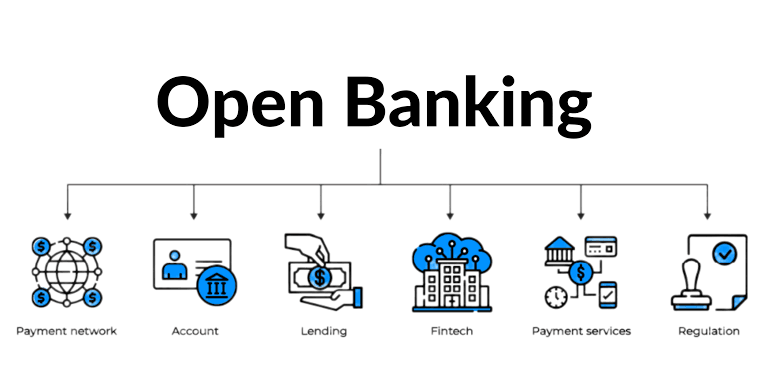
Open banking operates through secure APIs (Application Programming Interfaces). APIs allow banks and fintech applications to communicate safely in real time.
For example, a budgeting app can connect directly to a user’s bank account and analyze spending habits to provide personalized recommendations.
The rapid growth of these technologies is one reason why open banking news continues to gain global attention.
Why APIs Are Important
APIs are considered the backbone of open banking because they allow systems to exchange information securely and efficiently.
Through APIs, customers can access services such as:
- Budgeting tools
- Digital wallets
- Automated savings apps
- Investment platforms
- Faster payment systems
- Credit analysis tools
This innovation is reshaping the future of online banking solutions and financial management systems.
Why Open Banking News Matters
The increasing popularity of open banking news reflects how important this financial movement has become for businesses and consumers worldwide.
Financial Innovation Is Accelerating
Open banking has opened the door for entirely new financial products and services. Fintech companies are now creating advanced tools that simplify personal finance and business operations.
Some major innovations include:
- AI-powered budgeting apps
- Real-time account monitoring
- Personalized loan offers
- Smart payment systems
- Automated accounting software
The latest open banking news often highlights partnerships between traditional banks and fintech firms working together to improve customer experiences.
Consumers Have Greater Financial Control
Open banking gives users more control over their finances. Customers can manage multiple accounts in one place, compare products easily, and receive personalized financial insights.
This shift is changing customer expectations across the entire banking industry.
Increased Competition Improves Banking Services
Open banking encourages competition by allowing fintech companies to compete with traditional financial institutions. As competition grows, banks are forced to improve services, lower fees, and invest in digital innovation.
This benefits consumers through better products and improved customer support.
The Global Growth of Open Banking
The expansion of open banking news reflects a worldwide shift toward digital finance and connected banking systems.
Open Banking in the United Kingdom
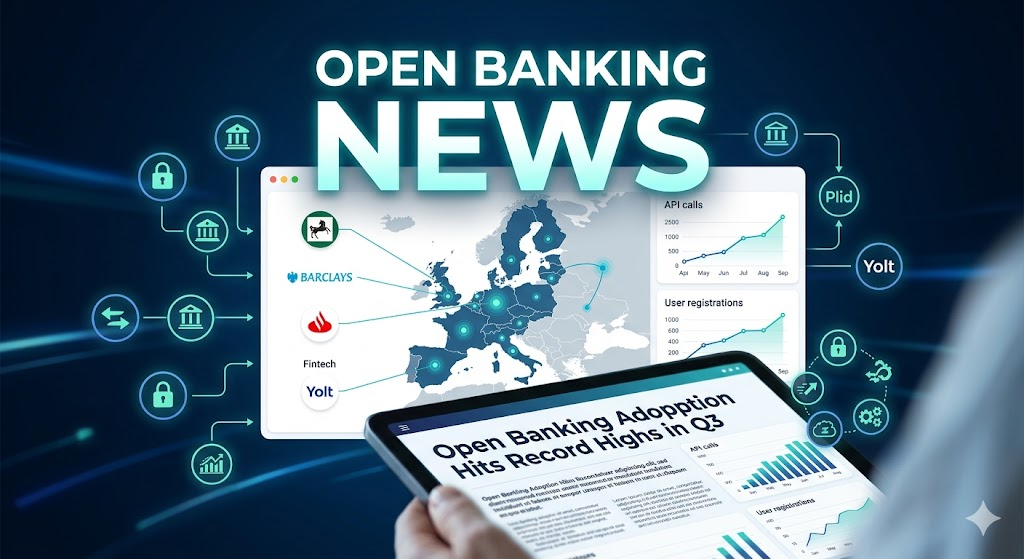
The UK is considered one of the pioneers of open banking. Regulatory changes introduced by the Competition and Markets Authority required major banks to provide secure API access to customer data.
Millions of users in the UK now rely on open banking-powered services.
Key Developments in the UK
- Faster digital payments
- Growth of fintech startups
- Improved fraud prevention
- Better customer experiences
- Expansion of mobile banking
The UK continues to lead global banking technology innovation.
Open Banking in Europe
Europe adopted open banking through PSD2 (Payment Services Directive 2). This regulation promotes secure data sharing and strong customer authentication.
European fintech companies continue to develop highly advanced financial solutions powered by open banking infrastructure.
Open Banking in the United States
The US market is largely driven by private-sector innovation rather than strict regulations. Major banks and fintech companies are collaborating to expand digital financial services.
Consumer demand for seamless financial experiences continues to fuel growth.
Open Banking in Asia-Pacific
Countries such as Australia, Singapore, and India are rapidly adopting open banking frameworks to improve financial inclusion and support innovation.
Governments across the region are investing heavily in digital finance ecosystems.
Major Benefits of Open Banking
The increasing attention surrounding open banking news is directly connected to the many advantages this system offers.
Better Customer Experience
Modern consumers expect banking services to be simple, fast, and accessible from anywhere.
Open banking enables:
- Faster account setup
- Real-time transaction tracking
- Personalized recommendations
- Simplified payments
- Better mobile banking experiences
These improvements create a more convenient financial experience.
Improved Financial Inclusion
Open banking can help underserved individuals gain access to loans and financial products by using alternative financial data.
This is especially important for people with limited credit history.
Faster Payments and Transfers
Open banking supports direct account-to-account payments, reducing dependency on traditional payment networks.
This lowers transaction fees and improves payment speed.
Smarter Financial Management
Advanced financial apps can analyze spending behavior and provide detailed budgeting recommendations.
This is why open banking news frequently discusses AI-driven personal finance platforms.
Challenges Facing Open Banking
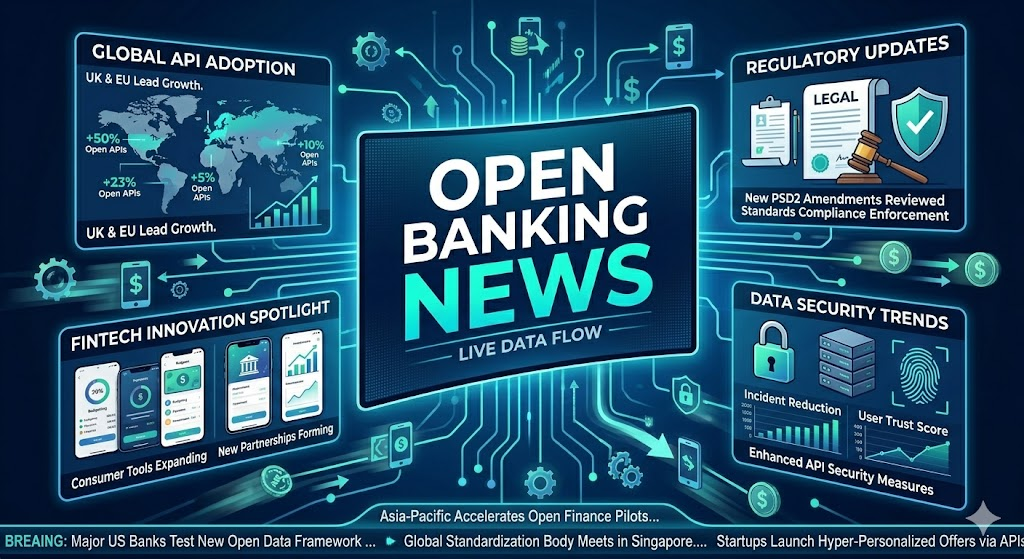
Despite its benefits, open banking also faces several challenges.
Data Privacy Concerns
Many consumers remain concerned about sharing sensitive financial information with third-party providers.
Banks and fintech companies must maintain:
- Strong encryption systems
- Secure API connections
- Transparent consent management
- Strict regulatory compliance
Data protection remains a major topic in modern open banking news.
Cybersecurity Risks
As financial systems become more connected, cybersecurity threats continue to increase.
Organizations must invest in:
- Fraud detection systems
- Multi-factor authentication
- Threat monitoring
- Identity verification technology
Regulatory Complexity
Different countries have different open banking regulations, making international compliance challenging for global businesses.
Lack of Consumer Awareness
Many people still do not fully understand how open banking works or how their financial data is protected.
Education and transparency are critical for wider adoption.
The Role of Fintech in Open Banking
Fintech companies are playing a major role in the expansion of open banking.
How Fintech Companies Drive Innovation
Fintech firms use open banking technology to build smarter and more efficient financial products.
Popular fintech solutions include:
- Mobile banking apps
- Digital lending platforms
- Investment management tools
- Expense tracking software
- Buy-now-pay-later services
The latest open banking news often focuses on fintech startups disrupting traditional banking systems.
Collaboration Between Banks and Fintech Firms
Many traditional banks are partnering with fintech companies instead of competing directly.
These partnerships help banks improve digital capabilities while fintech firms gain access to banking infrastructure.
Artificial Intelligence and Open Banking
Artificial intelligence is becoming increasingly important in open banking ecosystems.
AI-Powered Financial Insights
AI systems can analyze customer behavior and provide personalized financial advice.
Examples include:
- Smart budgeting recommendations
- Savings automation
- Investment suggestions
- Fraud alerts
Predictive Financial Services
AI can help banks anticipate customer needs before they arise.
For example, systems may recommend refinancing opportunities or warn users about unusual spending patterns.
This combination of AI and open banking represents a major trend in current open banking news.
The Future of Open Banking
The future of open banking looks highly promising as digital finance continues to evolve.
Expansion Into Open Finance
Open banking is expanding into broader “open finance” ecosystems that include:
- Insurance
- Investments
- Mortgages
- Pensions
- Cryptocurrency platforms
This creates more connected and personalized financial experiences.
Embedded Finance Growth
Embedded finance allows financial services to be integrated directly into non-financial platforms.
Examples include:
- E-commerce financing
- In-app payment systems
- Digital insurance products
Open banking technology powers many of these experiences.
Increased Personalization
Future financial services will become even more personalized through AI and real-time financial analysis.
Consumers will receive recommendations tailored to their goals and spending behavior.
How Businesses Benefit From Open Banking
Businesses across multiple industries are benefiting from open banking innovation.
Improved Payment Processing
Open banking enables direct bank transfers that reduce transaction fees and speed up payments.
This is highly beneficial for e-commerce businesses and subscription services.
Better Financial Insights
Businesses can use open banking tools to:
- Track cash flow
- Automate accounting
- Improve forecasting
- Streamline payroll systems
Faster Lending Decisions
Financial institutions can analyze business data in real time, allowing companies to access loans faster.
This reduces paperwork and improves efficiency.
Open Banking Regulations Around the World
Regulations continue shaping the future of open banking globally.
PSD2 in Europe
PSD2 remains one of the world’s most influential open banking regulations.
It requires banks to provide secure API access to licensed third-party providers.
Consumer Data Rights in Australia
Australia introduced Consumer Data Right legislation to improve data portability and competition.
Emerging Regulations in North America
The United States and Canada continue developing frameworks to strengthen consumer protections and financial data sharing.
Regulatory updates remain a major focus in global open banking news coverage.
How Consumers Can Stay Safe With Open Banking
Consumers should follow best practices when using open banking services.
Use Trusted Financial Providers
Only connect bank accounts to licensed and reputable apps.
Monitor Financial Activity Regularly
Review account activity frequently to detect suspicious transactions.
Understand Data Permissions
Consumers should always understand what data they are sharing and why.
Transparency is essential for building trust in open banking systems.
Final Thoughts
The rise of open banking news highlights a major transformation in the global financial industry. Open banking is reshaping how consumers interact with financial institutions, how businesses process payments, and how fintech companies innovate.
By enabling secure data sharing and encouraging competition, open banking creates smarter, faster, and more personalized financial experiences. Consumers benefit from better financial tools and greater control over their money, while businesses gain efficiency and innovation opportunities.
However, challenges such as cybersecurity risks, privacy concerns, and regulatory complexity still require ongoing attention. As technology evolves, open banking will likely expand into broader open finance ecosystems that include insurance, investments, and digital assets.
Staying informed about the latest open banking news is essential for anyone interested in the future of digital finance, fintech innovation, and modern banking technology.
FAQs
1. What is open banking?
Open banking is a system that allows banks to securely share customer financial data with authorized third-party providers through APIs and customer consent.
2. Why is open banking important?
Open banking promotes innovation, improves customer experiences, increases competition, and enables smarter financial services.
3. Is open banking secure?
Yes, open banking uses secure APIs, encryption, and strong authentication methods to protect customer information.
4. How does open banking help consumers?
Consumers benefit through better budgeting tools, faster payments, personalized recommendations, and easier access to financial products.
5. What industries benefit from open banking?
Industries such as banking, fintech, e-commerce, insurance, lending, and investment management benefit from open banking systems.