

The ees system is one of the most significant advancements in modern border management. As international travel continues to increase, governments and border authorities are seeking smarter ways to improve security, streamline traveler processing, and enhance immigration control. The European Union has introduced the EES to modernize how travelers enter and leave participating countries.
Traditional passport stamping methods have been used for decades to track international travel. However, these manual processes can be time-consuming and prone to errors. The ees system replaces physical passport stamps with a digital solution that records traveler information electronically.
This innovative approach helps border officials monitor movements more efficiently while improving the overall travel experience. Whether you are a tourist, business traveler, or someone interested in border technology, understanding how the EES works is increasingly important.
In this comprehensive guide, we will explore the purpose, features, benefits, challenges, and future impact of the ees system in detail.
What Is the EES System?
The ees system stands for Entry/Exit System, a large-scale digital border management platform developed by the European Union. It is designed to register and store information about travelers from non-EU countries who enter and leave participating European nations.
Instead of manually stamping passports, border authorities collect and store travel information electronically. The system records:
- Traveler identity details
- Date and location of entry
- Date and location of exit
- Biometric information
- Travel document details
The primary goal is to improve border security while making travel monitoring more accurate and efficient.
How the EES System Works
When a traveler arrives at a participating border crossing, the records relevant information digitally. The traveler’s data is stored securely and updated whenever they enter or leave the region.
The process generally includes:
- Verification of travel documents
- Collection of biometric data
- Digital registration of entry
- Monitoring of stay duration
- Recording of departure information
This digital process replaces traditional passport stamps and creates a more reliable record of travel activity.
Why Was the EES System Introduced?
The European Union developed the ees system to address several challenges associated with traditional border control methods.
Improving Border Security
One of the primary objectives is strengthening border security. Electronic records help authorities identify irregular travel patterns and detect potential security concerns more effectively.
Reducing Manual Processes
Manual passport stamping can be slow and resource-intensive. The EES automates much of the process, reducing administrative burdens for border officials.
Tracking Authorized Stays
The system makes it easier to determine whether travelers remain within permitted stay limits. This helps authorities manage immigration compliance more accurately.
Enhancing Data Accuracy
Digital records reduce human error and improve the reliability of travel information stored by border agencies.
Key Features of the EES System
The ees system includes several advanced features that support efficient border management.
Biometric Identification
Biometric technology plays a central role in the system. Travelers may provide fingerprints and facial images to verify identity.
Benefits include:
- Improved identity verification
- Reduced fraud risks
- Enhanced traveler authentication
- Faster border processing
Automated Entry and Exit Records
Every border crossing is recorded electronically, creating a complete travel history within the system.
This allows authorities to:
- Monitor travel movements
- Verify compliance with stay regulations
- Improve security checks
- Support immigration management
Digital Data Storage
Information is stored securely in centralized databases that can be accessed by authorized border authorities.
This improves coordination among participating countries and supports more effective border operations.
Real-Time Monitoring
The ees system enables real-time access to traveler information, helping officials make informed decisions quickly.
Benefits of the EES System
The introduction of the ees system offers advantages for governments, border authorities, and travelers alike.
Faster Border Procedures
Digital processing can reduce waiting times at border checkpoints.
Travelers benefit from:
- Quicker verification
- Less paperwork
- More efficient crossings
- Improved travel experience
Enhanced Security Measures
The use of biometric verification strengthens security and helps detect identity fraud.
Security improvements include:
- Better identity checks
- Improved risk assessment
- More accurate traveler records
- Enhanced border protection
Better Immigration Management
Authorities can more effectively monitor compliance with travel regulations.
The system supports:
- Accurate stay calculations
- Detection of overstays
- Improved reporting
- Better resource allocation
Increased Operational Efficiency
Automation reduces administrative workloads and allows officials to focus on higher-priority tasks.
Countries Participating in the EES System
The ees system is associated with countries that participate in the Schengen Area and related European border management initiatives.
The system supports cooperation among participating nations by providing shared access to relevant traveler information.
Importance for International Travelers
Travelers entering participating countries should understand that their travel information may be recorded digitally instead of through traditional passport stamps.
Awareness of these procedures can help ensure smoother border experiences.
The Role of Biometrics in the EES System
Biometric technology is one of the most important components of the ees system.
What Are Biometrics?
Biometrics refers to unique physical characteristics used to verify identity.
Common examples include:
- Fingerprints
- Facial recognition
- Iris scans
The EES primarily relies on fingerprints and facial images.
Advantages of Biometric Verification
Biometric authentication provides several benefits:
- Higher accuracy
- Reduced identity fraud
- Faster verification
- Stronger security controls
Because biometric traits are unique to each individual, they offer a reliable method of confirming identity.
How the EES System Affects Travelers
Many travelers wonder how the ees system will influence their journeys.
Simplified Border Crossings
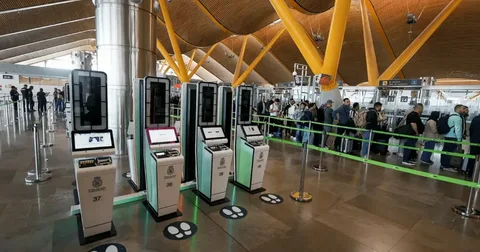
Digital processing can make border checks more efficient, especially when integrated with automated border control technologies.
Improved Travel Records
Electronic records reduce the likelihood of errors associated with manual passport stamping.
Greater Transparency
Travelers benefit from more accurate tracking of entry and exit dates, helping avoid misunderstandings regarding permitted stay periods.
Better Security Environment
Enhanced border security contributes to safer travel environments for everyone.
EES System and Border Modernization
The ees system is part of a broader effort to modernize international border management.
Governments around the world are investing in digital technologies that improve both security and efficiency.
Integration With Smart Borders
Modern border strategies increasingly rely on technologies such as:
- Automated gates
- Artificial intelligence
- Biometric verification
- Digital identity systems
The EES complements these innovations by providing a robust digital framework.
Supporting Digital Transformation
The shift from paper-based processes to digital systems represents a major step forward in public-sector modernization.
Challenges Associated With the EES System
Although the ees system offers numerous advantages, implementation also presents challenges.
Data Protection Concerns
As with any large-scale digital platform, protecting personal information is critical.
Authorities must ensure:
- Secure data storage
- Controlled access
- Compliance with privacy regulations
- Strong cybersecurity measures
Technical Infrastructure Requirements
Implementing advanced border technology requires substantial investment in equipment, software, and training.
Operational Adjustments
Border agencies must adapt their workflows and procedures to accommodate new digital processes.
Public Awareness
Travelers need clear information about how the system works and what information may be collected during border crossings.
EES System and Travel Compliance
One important function of the ees system is monitoring compliance with travel regulations.
Accurate Stay Calculations
The system automatically records entry and exit dates, making it easier to calculate the duration of stays.
Identifying Overstays
Authorities can quickly determine whether a traveler has exceeded permitted stay limits.
Supporting Immigration Policies
Reliable travel data helps governments enforce immigration rules fairly and consistently.
Future Developments in the EES System
The ees system is expected to evolve as technology continues to advance.
Expanded Automation
Future developments may include greater use of automated border control systems that reduce manual intervention.
Enhanced Biometric Capabilities
Advancements in biometric technologies could further improve identity verification accuracy.
Improved Traveler Experience
Ongoing innovation aims to make border crossings faster, safer, and more convenient.
Stronger International Cooperation
Digital platforms like the EES can facilitate better collaboration between border agencies across multiple countries.
Relationship Between the EES System and Other Border Technologies
The ees system does not operate in isolation. It forms part of a broader digital border ecosystem.
Related technologies include:
- entry/exit systems
- border management solutions
- biometric identification
- digital travel records
- smart border technology
- automated border control
- immigration management systems
- travel authorization platforms
Together, these technologies help create a more secure and efficient international travel environment.
Why the EES System Matters in the Digital Age
As global travel volumes increase, traditional border control methods face growing pressure.
The ees system addresses modern challenges by combining technology, security, and efficiency into a single framework.
Its benefits extend beyond border management by supporting:
- Safer international travel
- Improved compliance monitoring
- Better resource utilization
- Enhanced traveler convenience
The shift toward digital border solutions reflects broader trends in government modernization and technological innovation.
Final Thoughts
The ees system represents a major milestone in the evolution of border management. By replacing traditional passport stamping with secure digital records, the system improves efficiency, enhances security, and supports more accurate travel monitoring.
As international travel continues to grow, digital solutions like the EES will play an increasingly important role in managing borders effectively. Travelers can expect more streamlined procedures, while authorities benefit from stronger security capabilities and improved operational efficiency.
Understanding how the ees system works is essential for anyone traveling to participating European countries. As technology advances, the system is likely to become an even more important component of modern border management strategies.
FAQs
1. What does EES system stand for?
The EES system stands for Entry/Exit System, a digital platform that records the entry and exit information of travelers crossing participating European borders.
2. Who is affected by the EES system?
The system primarily applies to non-EU travelers entering and leaving participating countries within the European border management framework.
3. Does the EES system replace passport stamps?
Yes. The EES system replaces traditional passport stamping with electronic records that track traveler movements digitally.
4. What information is collected by the EES system?
The system may collect identity information, travel document details, entry and exit records, fingerprints, and facial images for verification purposes.
5. Why is biometric data used in the EES system?
Biometric data helps verify identities accurately, reduces fraud risks, and strengthens border security measures.
6. How does the EES system improve border management?
The system automates travel recordkeeping, enhances data accuracy, supports immigration compliance monitoring, and improves operational efficiency.
7. What are the main benefits for travelers?
Travelers can benefit from faster border processing, improved accuracy, stronger security, and a more streamlined travel experience.