

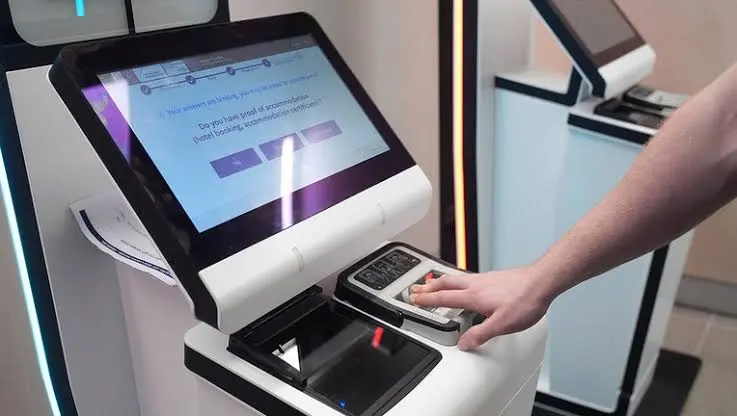
The entry/exit system is transforming the way countries manage borders, monitor traveler movements, and strengthen security. As international travel continues to grow, governments are looking for smarter and more efficient ways to track arrivals and departures while maintaining a smooth experience for visitors.
Traditional passport stamping methods are gradually being replaced by digital technologies that can record traveler information automatically. This modernization helps authorities improve border control, reduce fraud, and enhance the overall travel process.
In recent years, many countries and regions have invested heavily in advanced border technologies. The implementation of an entry/exit system represents a major step toward creating secure, efficient, and data-driven border management solutions. Whether you are a traveler, business owner, or industry professional, understanding how these systems work is becoming increasingly important.
What Is an Entry/Exit System?
A digital border management platform records and stores information about travelers entering and leaving a country or region. Instead of relying solely on manual passport checks and passport stamps, it uses electronic records to monitor and manage cross-border travel movements more efficiently.
The primary goal is to create accurate records of entries and exits while improving security and reducing administrative burdens.
How It Works
When a traveler arrives at a border crossing point, the system collects relevant information, which may include:
- Passport details
- Biometric information
- Date and time of entry
- Port of entry
- Visa status
- Travel authorization data
When the traveler departs, the departure information is also recorded. This creates a complete travel history that authorities can use for security, immigration, and compliance purposes.
Key Components
Modern systems often include:
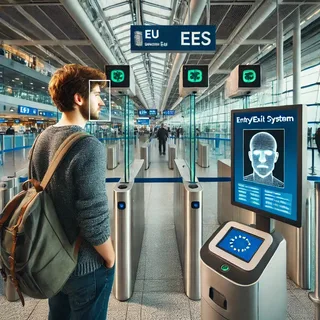
- Biometric verification
- Facial recognition technology
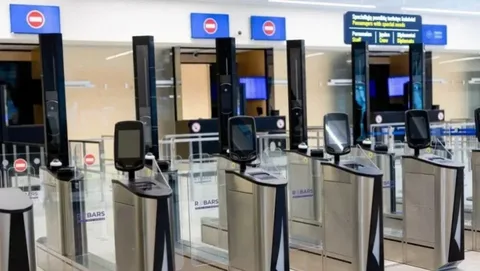
- Automated border gates
- Digital traveler databases
- Real-time monitoring tools
- Advanced analytics platforms
These technologies work together to ensure efficient and secure border operations.
Why Entry/Exit Systems Are Becoming Essential
Global travel volumes continue to increase every year. As a result, border agencies face growing pressure to process travelers quickly without compromising security.
This technology addresses several challenges that traditional border control methods often struggle to manage efficiently.
Enhanced Border Security
One of the biggest advantages is improved security. Authorities can quickly identify individuals who:
- Overstay visas
- Use fraudulent documents
- Have travel restrictions
- Appear on security watchlists
By maintaining accurate digital records, governments can respond more effectively to potential threats.
Improved Traveler Experience
Long immigration lines are a common frustration for travelers. Automated processes can significantly reduce waiting times.
Many modern airports now use:
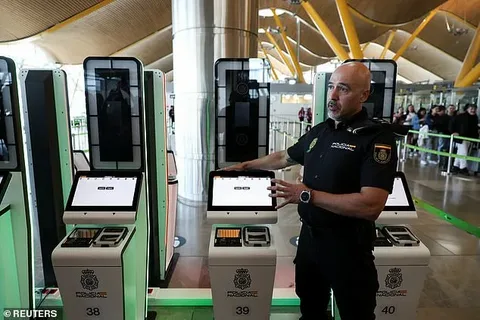
- Self-service kiosks
- E-gates
- Automated passport checks
These tools help travelers move through border control more efficiently.
Better Data Accuracy
Manual record-keeping can lead to errors and inconsistencies. Digital systems reduce human mistakes and provide reliable data for decision-making.
Accurate records help immigration agencies maintain compliance and improve operational efficiency.
The Evolution of Border Management Technology
Border management has undergone significant changes over the last few decades.
Traditional Border Control
Historically, border officers relied on:
- Physical passport stamps
- Paper-based records
- Manual verification procedures
While these methods served their purpose, they often resulted in delays and limited data visibility.
Digital Transformation
The rise of digital technologies introduced new possibilities.
Governments began adopting:
- Electronic passports
- Biometric identification
- Automated processing systems
- Digital immigration databases
These innovations laid the foundation for today’s advanced digital border management solutions.
Future-Oriented Solutions
Modern border systems now leverage technologies such as:
- Artificial intelligence
- Machine learning
- Cloud computing
- Real-time analytics
These capabilities help authorities process large volumes of travelers efficiently while maintaining strong security standards.
Major Benefits of an Entry/Exit System
The adoption of an entry/exit system provides benefits for governments, travelers, and businesses alike.
Strengthened National Security
Digital tracking enables authorities to monitor travel activities more effectively.
Benefits include:
- Improved threat detection
- Enhanced risk assessment
- Faster investigations
- Better intelligence sharing
These capabilities support national security objectives.
Efficient Immigration Management
Immigration departments can use system data to:
- Monitor visa compliance
- Detect overstays
- Verify travel histories
- Support enforcement actions
This helps ensure immigration policies are enforced consistently.
Faster Processing Times
Automation reduces administrative workloads and accelerates traveler processing.
Benefits include:
- Shorter queues
- Reduced paperwork
- Improved operational efficiency
- Enhanced customer satisfaction
Reliable Travel Records
A comprehensive digital travel history helps authorities maintain accurate records for future reference.
This information can support:
- Visa applications
- Security assessments
- Border investigations
- Compliance monitoring
Biometric Technology in Entry/Exit Systems
Biometric technology plays a critical role in modern border management.
Facial Recognition
Facial recognition technology compares a traveler’s face with stored biometric data.
Advantages include:
- Fast identification
- Reduced fraud
- Contactless verification
- Improved accuracy
Many airports now use facial recognition as part of the traveler verification process.
Fingerprint Verification
Fingerprint scanning remains one of the most widely used biometric methods.
Benefits include:
- High reliability
- Strong identity verification
- Enhanced security
- Reduced impersonation risks
Multi-Layer Authentication
Many systems combine multiple biometric methods to create stronger security measures.
Examples include:
- Facial recognition plus fingerprints
- Biometric checks plus passport verification
- Digital identity matching
This layered approach improves accuracy and reliability.
Impact on International Travel
Travelers are increasingly interacting with automated border systems during international journeys.
Faster Airport Experiences
Airports equipped with an entry/exit system can process travelers more efficiently.
Passengers often experience:
- Faster immigration clearance
- Reduced waiting times
- Simplified border procedures
- Enhanced convenience
Greater Transparency
Digital records provide clearer information about travel history and immigration compliance.
Travelers can benefit from:
- More accurate records
- Reduced administrative disputes
- Improved visa processing
Increased Security Confidence
Enhanced security measures help create safer travel environments.
When borders operate effectively, both travelers and authorities benefit from greater confidence in the system.
Challenges Associated With Entry/Exit Systems
Although the benefits are substantial, implementing an entry/exit system also presents several challenges.
Data Privacy Concerns
The collection of biometric and personal information raises privacy questions.
Authorities must ensure:
- Secure data storage
- Legal compliance
- Transparent policies
- Responsible data usage
Protecting traveler information remains a top priority.
Infrastructure Costs
Developing and maintaining advanced border systems can require significant investment.
Costs may include:
- Hardware deployment
- Software development
- Staff training
- System maintenance
Governments must carefully plan implementation strategies to maximize value.
Technical Integration
Border management systems often need to connect with existing databases and immigration platforms.
Successful integration requires:
- Strong cybersecurity measures
- Reliable infrastructure
- Continuous monitoring
- Cross-agency collaboration
Cybersecurity Risks
As systems become more digital, cybersecurity becomes increasingly important.
Authorities must protect against:
- Data breaches
- Unauthorized access
- Malware attacks
- System disruptions
Robust security frameworks are essential for long-term success.
Entry/Exit Systems and Smart Borders
The concept of smart borders is gaining momentum worldwide.
A smart border combines technology, automation, and data analytics to create efficient border operations.
Automated Border Gates
Automated gates allow eligible travelers to pass through immigration checkpoints with minimal manual intervention.
Benefits include:
- Faster processing
- Reduced staffing pressure
- Enhanced traveler convenience
Artificial Intelligence Applications
AI-powered systems can analyze large volumes of travel data in real time.
Applications include:
- Risk assessment
- Fraud detection
- Passenger screening
- Predictive analytics
These tools help authorities make informed decisions more quickly.
Real-Time Data Sharing
Modern border systems can share information between agencies and jurisdictions.
This improves:
- Security coordination
- Operational efficiency
- Investigative capabilities
- Border intelligence
The Role of Entry/Exit Systems in Immigration Compliance
Immigration compliance is a major focus of modern border management.
An entry/exit system provides accurate information that helps authorities monitor compliance with immigration laws.
Monitoring Visa Overstays
One of the most valuable functions is identifying individuals who remain in a country beyond their authorized stay.
Digital records make it easier to:
- Detect overstays
- Generate compliance reports
- Support enforcement activities
Supporting Immigration Decisions
Accurate travel histories help immigration officers evaluate future applications.
This information can assist with:
- Visa approvals
- Residency applications
- Border assessments
- Security reviews
Enhancing Transparency
Digital records reduce uncertainty and improve accountability within immigration processes.
This benefits both authorities and travelers.
Future Trends in Entry/Exit Systems
The future of the entry/exit system is closely linked to emerging technologies and evolving travel demands.
Contactless Travel
Contactless processing is becoming increasingly popular.
Future developments may include:
- Touchless biometric verification
- Mobile identity credentials
- Digital travel documents
- Seamless airport journeys
Digital Identity Solutions
Digital identities could eventually replace many traditional travel documents.
Potential advantages include:
- Faster verification
- Improved convenience
- Enhanced security
- Reduced fraud
Advanced Analytics
Data analytics will continue to improve border operations.
Authorities may use predictive tools to:
- Identify risks earlier
- Optimize staffing
- Improve resource allocation
- Enhance traveler experiences
Greater International Cooperation
Cross-border collaboration will likely increase as countries seek more efficient ways to manage international travel.
Shared standards and interoperability may become key priorities in future border management strategies.
Related Technologies Supporting Modern Border Operations
Several technologies complement the functionality of an entry/exit system.
Digital Identity Management
Digital identity platforms help verify traveler identities securely and efficiently.
Biometric Authentication
Advanced biometric solutions strengthen identity verification and reduce fraud.
Border Security Technology
Modern surveillance and monitoring tools enhance overall border protection.
Travel Management Systems
Integrated travel platforms improve coordination between airlines, airports, and immigration authorities.
Immigration Technology Solutions
Digital immigration tools streamline processing and improve compliance management.
Final Thoughts
The entry/exit system is reshaping modern border management by combining technology, security, and efficiency into a single framework. As international travel continues to evolve, governments require smarter solutions to manage increasing passenger volumes while maintaining strong security standards.
By leveraging biometrics, automation, artificial intelligence, and digital records, these systems provide a more accurate and efficient approach to border control. While challenges such as privacy protection, cybersecurity, and implementation costs remain important considerations, the overall benefits are substantial.
As countries continue investing in smart border technologies, the entry/exit system will play an increasingly important role in facilitating secure, seamless, and compliant international travel for years to come.
FAQs
1. What is an entry/exit system?
An entry/exit system is a digital border management platform that records traveler entries and departures electronically, helping authorities improve security and immigration compliance.
2. Why are entry/exit systems important?
They improve border security, reduce fraud, monitor visa compliance, and provide a more efficient travel experience through automation and digital record-keeping.
3. How does biometric verification work in an entry/exit system?
Biometric verification uses features such as facial recognition or fingerprints to confirm a traveler’s identity and match it with official records.
4. Can an entry/exit system help detect visa overstays?
Yes. The system tracks both arrivals and departures, making it easier for authorities to identify individuals who exceed their authorized stay periods.
5. Are entry/exit systems secure?
Most modern systems incorporate advanced cybersecurity measures, encryption, and access controls to protect traveler data and maintain system integrity.
6. What technologies are commonly used in entry/exit systems?
Common technologies include biometric authentication, facial recognition, artificial intelligence, automated border gates, cloud computing, and digital identity management.
7. How do entry/exit systems benefit travelers?
Travelers often experience faster border processing, reduced waiting times, improved convenience, and more accurate travel records.