

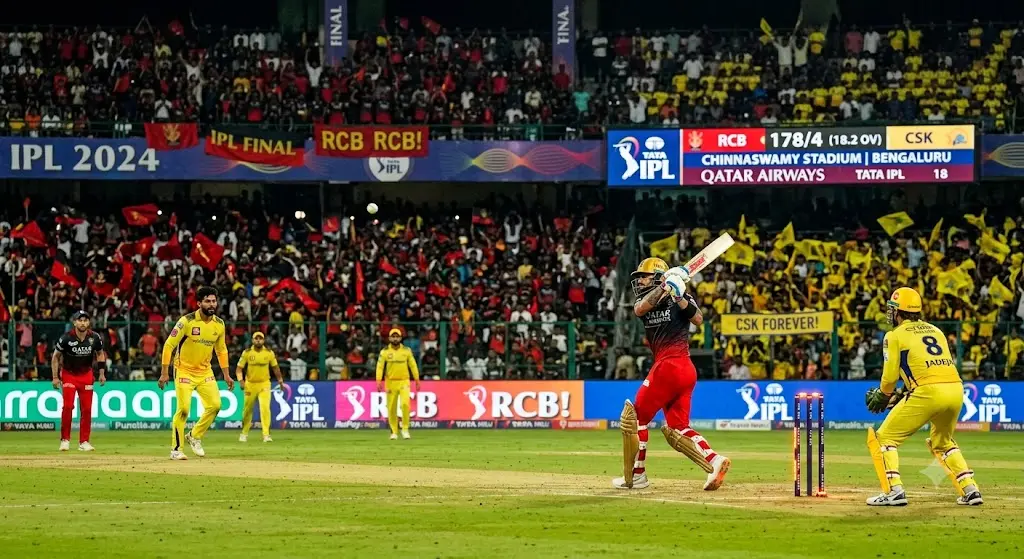
Cricket has always been one of the most loved sports in India, but the arrival of the IPL transformed the game into a global entertainment phenomenon. Combining competitive cricket, world-class talent, business innovation, and fan engagement, the tournament has become one of the most valuable sporting properties in the world.
Since its launch in 2008, the league has attracted millions of viewers across different countries. It has created opportunities for emerging players, generated significant revenue for the sports industry, and introduced a new style of cricket that appeals to modern audiences. Today, it is not just a tournament; it is a cultural event that captures the attention of cricket fans every year.
The IPL has successfully blended sports and entertainment while maintaining high standards of cricket. With packed stadiums, record-breaking television ratings, and a massive digital audience, the IPL continues to influence the future of the game. The success of the IPL has also inspired other cricket leagues around the world, highlighting its global impact on the sport.
This article explores the history, structure, impact, business model, and future of India’s most successful cricket competition while highlighting why it remains a dominant force in global sports.
The Origin of the Tournament
The idea behind the league was to create a fast-paced cricket competition that could attract younger audiences and provide a fresh viewing experience.
Before the launch of the IPL, traditional cricket formats often lasted several days. While these formats had dedicated followers, there was growing demand for shorter and more entertaining matches. The Twenty20 format provided the perfect solution, and the IPL transformed it into a global spectacle. By combining fast-paced cricket, star players, and exciting entertainment, the IPL attracted a new generation of fans and revolutionized the way cricket was consumed worldwide.
The inaugural season immediately gained popularity. Fans embraced the city-based franchise system, international player participation, and exciting match format. What started as a bold experiment soon became a sporting revolution.
How Franchise Cricket Works
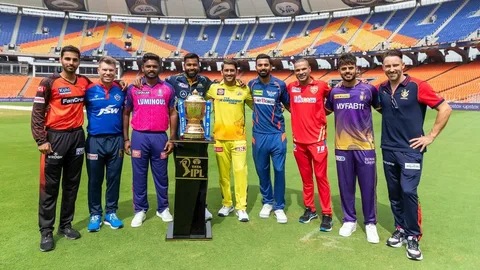
Unlike international cricket, where players represent their countries, the IPL follows a franchise-based model that allows teams to sign players from different nations. Each IPL franchise builds its squad through player auctions, talent scouting programs, and strategic recruitment. This approach creates unique team combinations that would not normally be seen in international competitions. The IPL has therefore become a platform where some of the world’s best cricketers compete together, making the tournament more exciting, competitive, and globally appealing.
The franchise model offers several benefits:
- Greater player opportunities
- Increased fan engagement
- Stronger commercial partnerships
- Enhanced competition
- International collaboration
This structure has played a major role in the tournament’s long-term success.
Why Fans Love the Competition
Fast-Paced Action
One of the biggest reasons for the IPL’s popularity is its fast-paced nature. Every IPL match is completed within a few hours, making it ideal for modern audiences with busy schedules. The shorter format ensures that every over matters, creating excitement from the first ball to the last. This nonstop action is a key factor behind the continued success of the IPL, attracting millions of viewers from around the world each season.
Star Players in One League
Fans get the opportunity to watch some of the world’s best cricketers compete together.
International stars share dressing rooms with domestic talent, creating memorable partnerships and rivalries that attract viewers from across the globe.
Unpredictable Results
Unlike longer formats where stronger teams often dominate, Twenty20 cricket is highly unpredictable.
A single over can completely change the outcome of a match, keeping fans engaged until the very end.
Strong Regional Support
Each franchise represents a city or region, encouraging passionate local support.
Fans proudly support their teams, creating an atmosphere similar to major football leagues around the world.
Tournament Structure
The competition follows a format designed to ensure both fairness and excitement.
League Stage
During the initial phase of the IPL, teams compete against each other to earn points and improve their position in the standings. In the IPL points table, teams are awarded points based on match results, while rankings are determined using:
- Total points earned
- Number of matches won
- Net Run Rate (NRR)
- Head-to-head results, when applicable
This system helps identify the strongest IPL teams and determines which franchises advance to the playoff stage.
- Total wins
- Points earned
- Net run rate
- Head-to-head performance
This stage helps identify the strongest teams in the competition.
Knockout Rounds
The highest-ranked teams advance to the playoffs.
The playoff system rewards consistent performance while still allowing lower-ranked qualifiers an opportunity to compete for the championship.
This balance keeps the tournament competitive throughout the season.
The Rise of Young Talent
One of the most significant contributions of the league has been player development.
Opportunities for Emerging Players
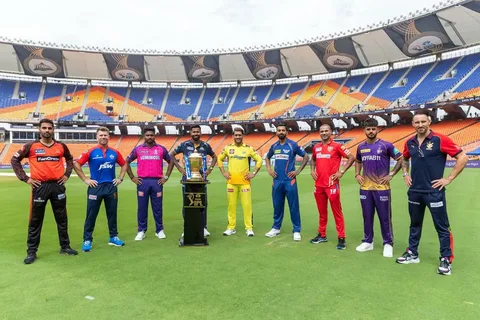
The IPL has become an important platform for young cricketers who often struggle to gain exposure at the highest level. Through the IPL, emerging players can showcase their abilities in front of large audiences, experienced coaches, and international stars. Strong performances in the IPL frequently open doors to national team selection and professional opportunities, making the tournament a valuable pathway for developing cricket talent.
Strong performances frequently lead to national team selection and professional contracts.
Learning From Experienced Professionals
Sharing dressing rooms with international stars helps younger players develop:
- Technical skills
- Mental toughness
- Professional discipline
- Tactical awareness
The experience gained can accelerate career growth significantly.
Discovering Future Stars
Many well-known cricketers first gained attention through impressive performances in franchise cricket.
Talent identification remains one of the competition’s greatest strengths.
Economic Impact on the Sports Industry
The tournament has become a major economic driver within the sports sector.
Broadcasting Revenue
Television and digital broadcasting rights generate billions in revenue.
Media companies compete aggressively for broadcasting deals because of the tournament’s enormous audience reach.
Sponsorship Growth
Global and domestic brands invest heavily in sponsorship opportunities.
These partnerships include:
- Team sponsorships
- Stadium branding
- Digital campaigns
- Merchandise collaborations
The competition provides valuable exposure for businesses seeking large audiences.
Job Creation
The event supports employment across multiple industries.
Examples include:
- Broadcasting
- Hospitality
- Security services
- Event management
- Marketing
- Sports analytics
Thousands of professionals benefit directly or indirectly from the tournament each year.
The Business Model Behind the Success
The league is often studied as a business success story.
Multiple Revenue Streams
Revenue comes from various sources, including:
- Media rights
- Sponsorship agreements
- Ticket sales
- Licensing deals
- Merchandise sales
- Digital content
This diversified model strengthens financial stability.
Franchise Valuations
Team valuations have increased dramatically since the league’s inception.
Investors view franchise ownership as a long-term business opportunity with significant growth potential.
Global Brand Recognition
The competition has developed into a globally recognized sports brand.
Its popularity extends beyond India, attracting viewers from numerous countries.
Technology and Innovation
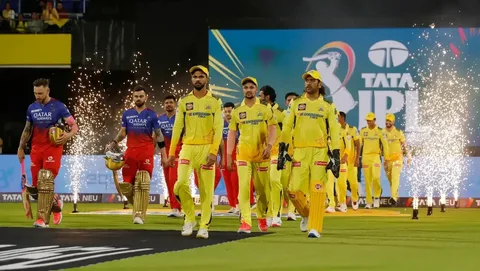
Modern technology plays a vital role in enhancing both competition and fan experience.
Advanced Analytics
Teams use performance data to make informed decisions.
Analytics assist with:
- Player selection
- Match strategies
- Opposition analysis
- Performance improvement
Data-driven decision-making has become an essential aspect of modern cricket.
Digital Engagement
Fans now interact with teams and players through:
- Mobile applications
- Social media platforms
- Live streaming services
- Fantasy sports platforms
Digital innovation has expanded audience engagement significantly.
Broadcast Enhancements
Modern broadcasts include:
- Ultra-HD visuals
- Real-time statistics
- Player tracking
- Strategic analysis
These features improve the viewing experience for fans worldwide.
Influence on Global Cricket
The success of the competition has inspired similar leagues in other countries.
Expansion of Franchise Cricket
Many cricket boards have launched their own franchise tournaments after observing the league’s success.
This has created additional opportunities for players and administrators around the world.
Increased Financial Opportunities
Professional cricketers now have more earning opportunities than ever before.
The growth of franchise cricket has transformed the economic landscape of the sport.
Wider Audience Reach
The league has introduced cricket to new audiences who may not have previously followed the sport.
This expanded reach contributes to cricket’s global development.
Challenges and Areas for Improvement
Despite its achievements, the tournament faces several challenges.
Player Workload Management
Professional cricketers often participate in multiple competitions throughout the year.
Managing physical and mental fatigue remains important.
Maintaining Competitive Balance
Ensuring all teams remain competitive is essential for preserving fan interest.
Balanced competition helps sustain long-term growth.
Scheduling Considerations
Coordinating international cricket calendars and franchise tournaments can be complex.
Effective scheduling is necessary to support players and stakeholders.
The Future of the League
The future appears extremely promising.
Greater Digital Integration
Technology will likely play an even bigger role in fan engagement.
Potential developments include:
- Virtual reality experiences
- Personalized content
- Interactive broadcasts
- Enhanced mobile features
Expansion of Youth Programs
Investment in grassroots development could produce the next generation of cricket stars.
Youth academies and scouting networks will remain important.
Continued International Growth
As global interest increases, the competition may further strengthen its international audience and partnerships.
This growth could create new business and broadcasting opportunities.
Sustainability Initiatives
Environmental responsibility is becoming increasingly important in sports.
Future efforts may focus on:
- Sustainable stadium operations
- Reduced carbon footprints
- Community engagement programs
These initiatives can support long-term success.
Why This Competition Matters
The influence of the tournament extends far beyond cricket.
It has demonstrated how sports can successfully combine entertainment, technology, business, and community engagement.
Its achievements include:
- Transforming cricket economics
- Creating global opportunities
- Developing future talent
- Enhancing fan experiences
- Driving innovation across sports
Few sporting competitions have achieved such widespread impact within a relatively short period.
Final Thoughts
The IPL has reshaped modern cricket and established itself as one of the most successful sporting competitions in the world. Through innovative business strategies, exceptional talent, passionate fan support, and continuous evolution, it has become a benchmark for franchise-based sports leagues.
Its influence can be seen in player development, broadcasting innovation, commercial growth, and global cricket expansion. As technology advances and audiences continue to grow, the tournament is well-positioned to remain a dominant force in international sports.
For cricket enthusiasts, industry professionals, and aspiring athletes, the league represents far more than a seasonal competition. It is a symbol of how innovation and vision can transform a sport and create lasting global impact.
FAQs
1. What is the IPL?
It is a professional Twenty20 cricket competition featuring city-based franchises and players from around the world.
2. When did the tournament begin?
The inaugural season was held in 2008 and quickly became a major success.
3. Why is the competition so popular?
Its popularity comes from fast-paced matches, international stars, passionate fan bases, and strong entertainment value.
4. How does it help young players?
It provides exposure, professional coaching, competitive experience, and opportunities to perform on a major stage.
5. What impact has it had on cricket?
It has increased the sport’s popularity, improved player earnings, encouraged innovation, and expanded global audiences.
6. How do franchises earn revenue?
Revenue is generated through broadcasting rights, sponsorships, merchandise sales, ticket sales, and licensing agreements.
7. What does the future look like?
The competition is expected to continue growing through technological innovation, international expansion, and enhanced fan engagement.